
Gdańsk.
A gateway to Europe’s space security
ESA Centre for Crisis Response, Resilience and Defence in Gdańsk. Explore our region’s candidacy.



Gdańsk has always been a window to the world — not only the one beyond the sea, but also the one above our heads. This is where Jan Heweliusz built the most precise instruments of his time. It is a story where precision, science, and the courage to think boldly come together in one place.
Gdańsk has always been a window to the world — not only the one beyond the sea, but also the one above our heads. This is where Jan Heweliusz built the most precise instruments of his time.
It is a story where precision, science, and the courage to think boldly come together in one place.
It is a vision that has been waiting for this moment for 500 years.
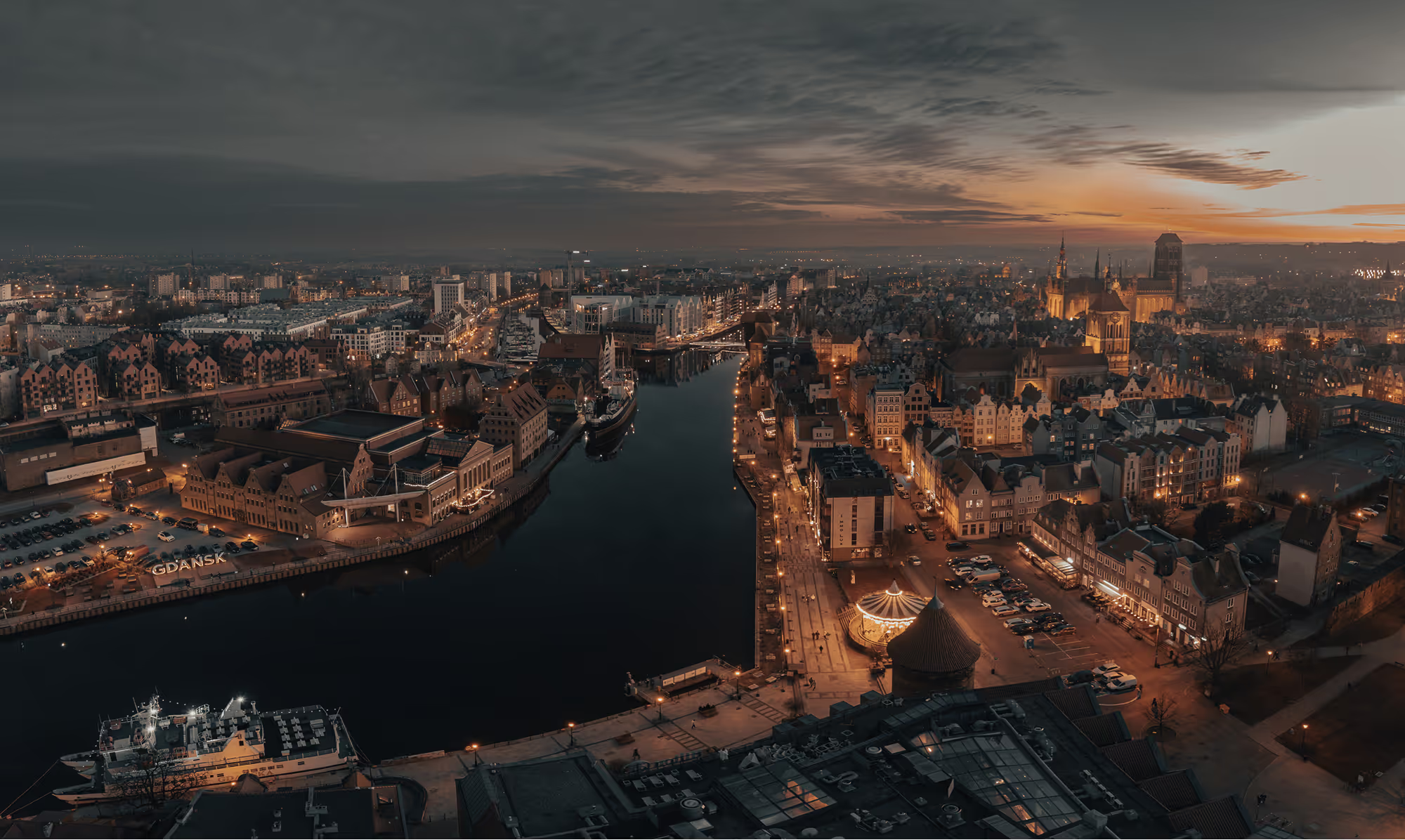
It is a vision that has been waiting for this moment for 500 years.
Copernicus in Gdańsk
Hevelius’ optics
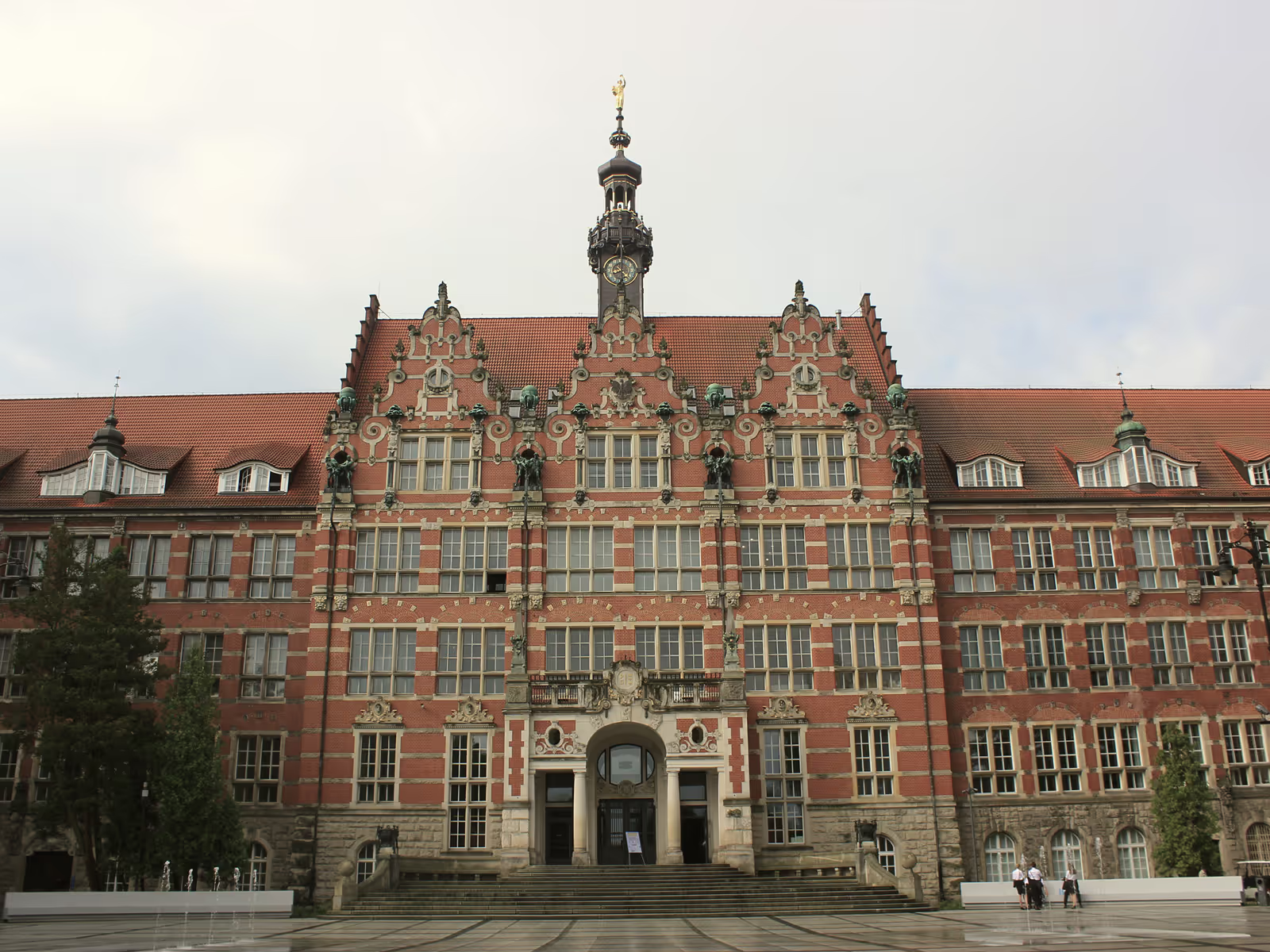
The engineering foundation: Gdańsk University of Technology
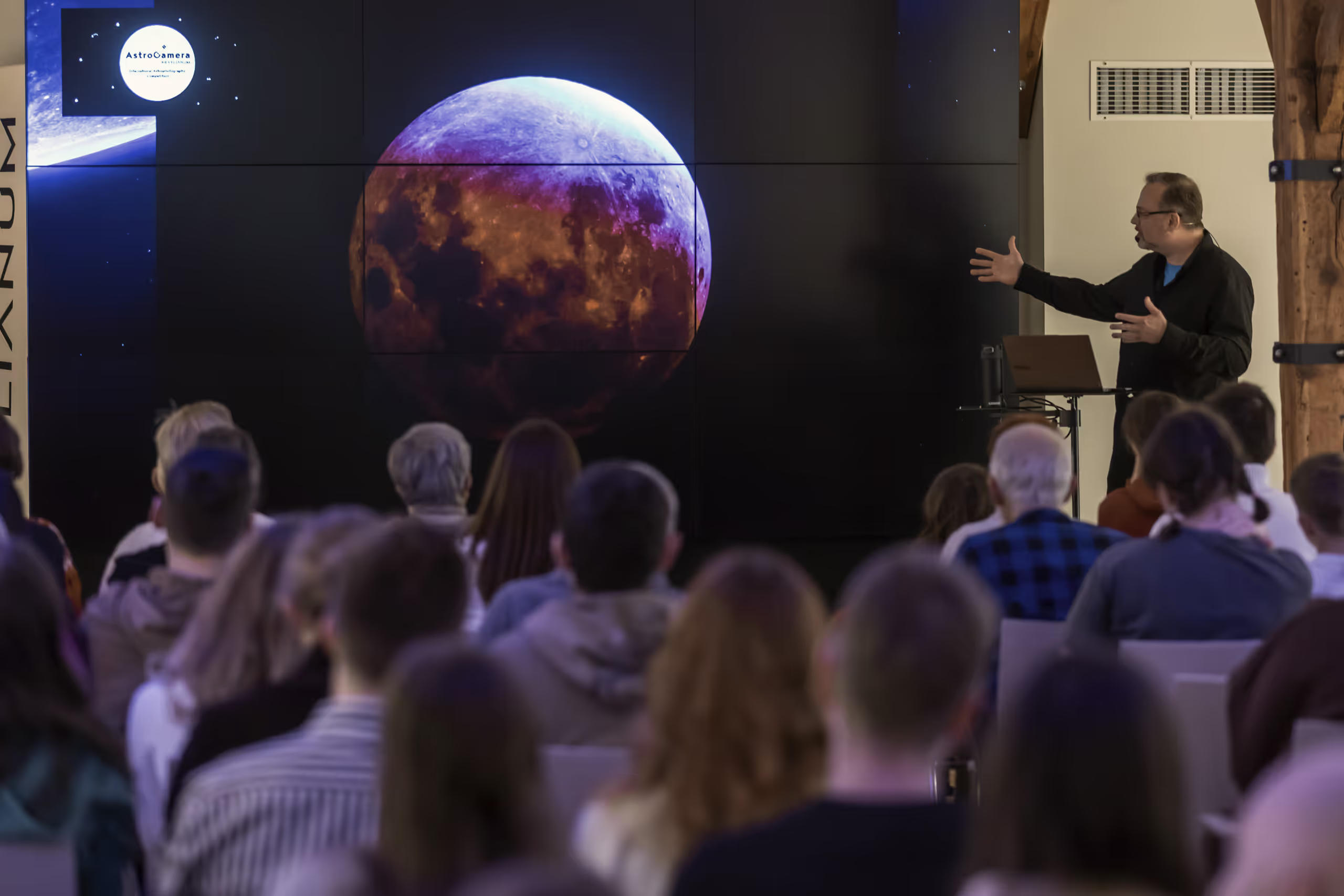
Hevelianum: a spark for imagination
Poland joins ESA
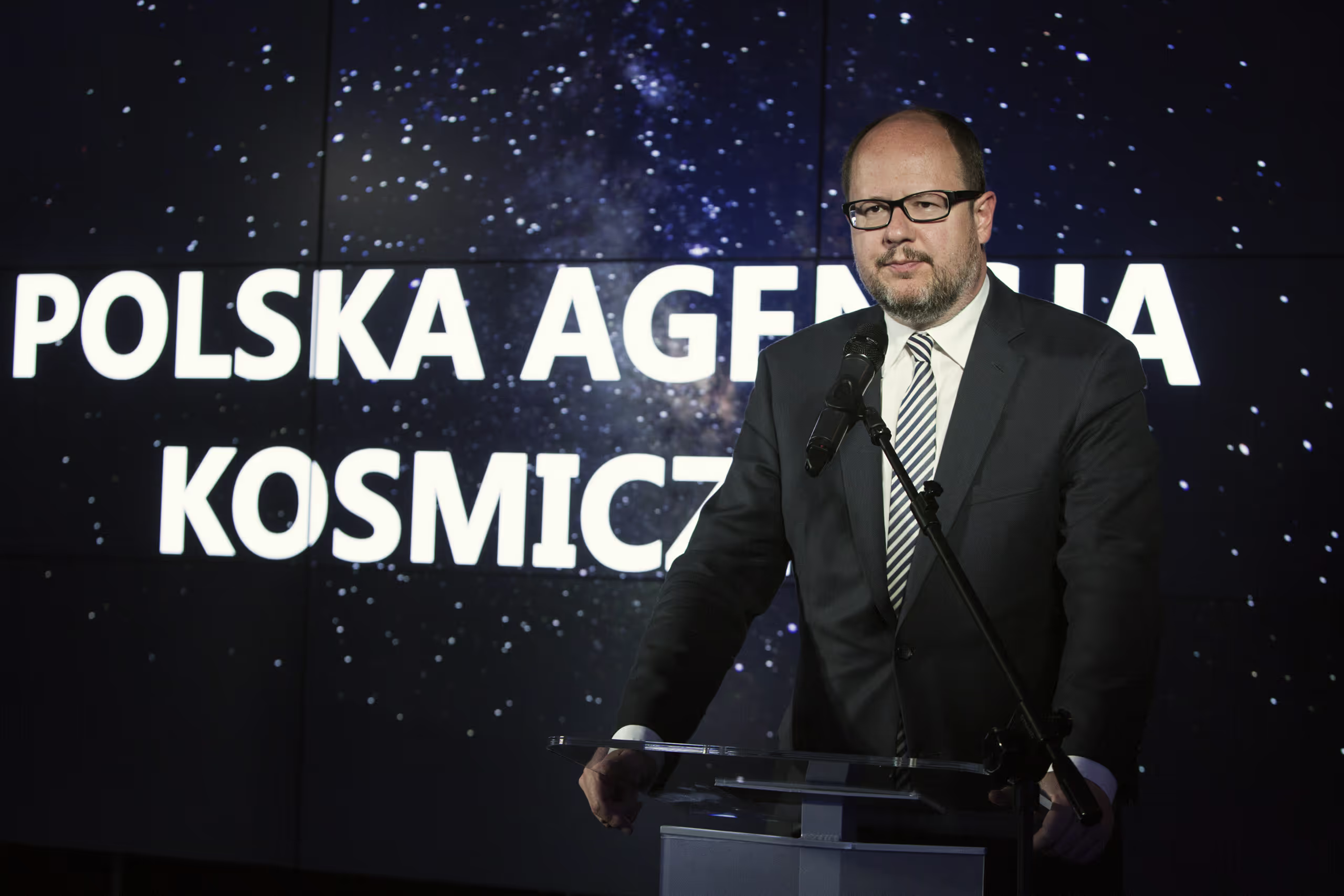
POLSA: a new horizon
ESA: launching into the future



Why Pomerania and GdańskA unique synergyof the sea and space.
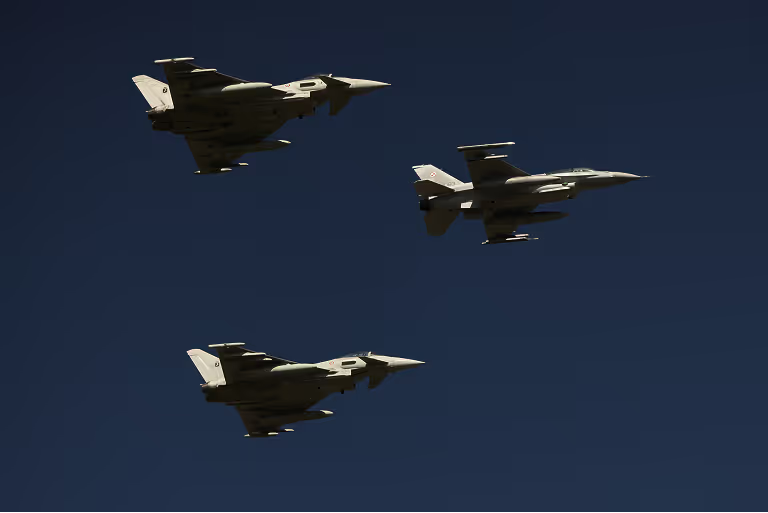
A NATO security hub. An EDF base.
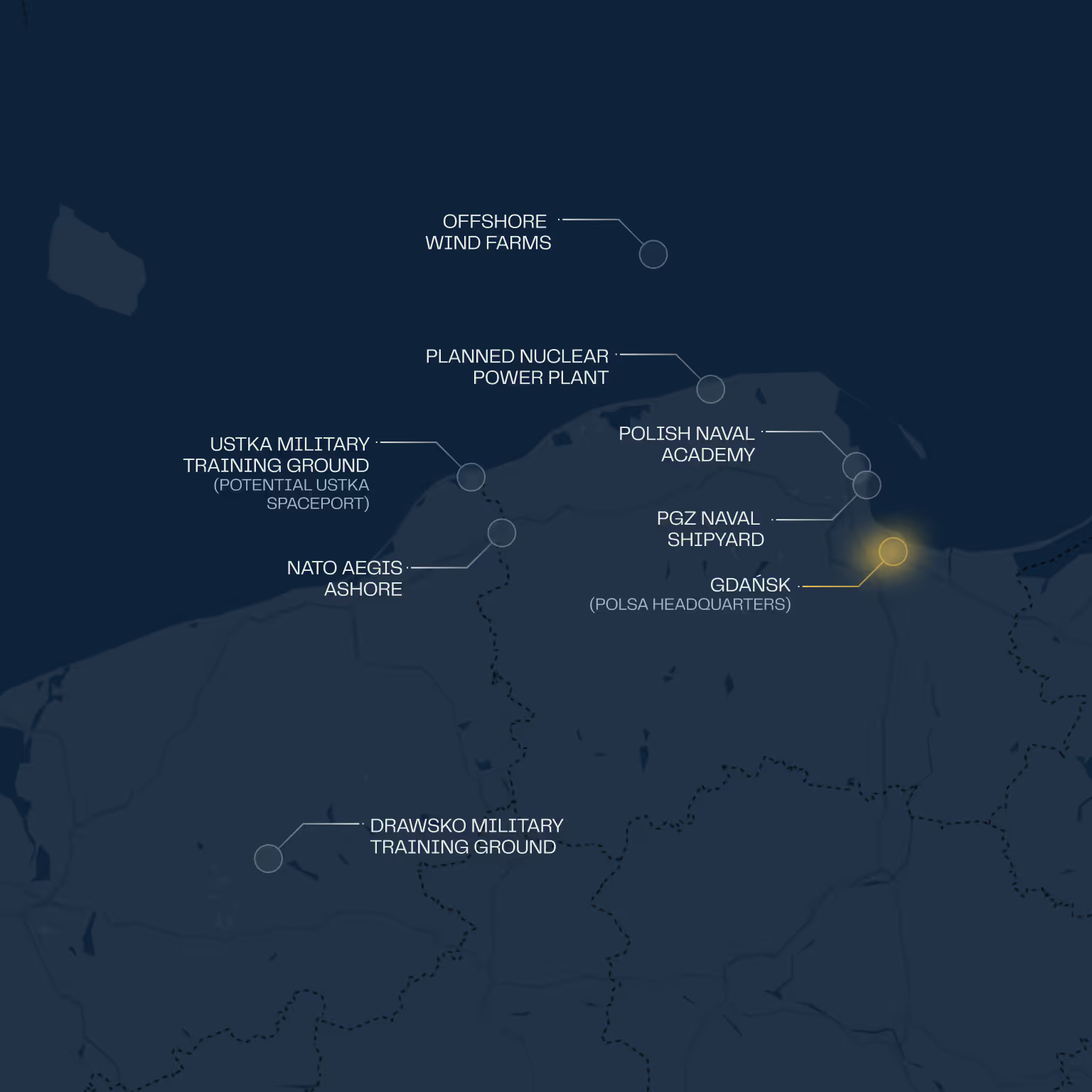
Poland’s Baltic coast, led by Gdańsk, is a natural base for projects funded by the European Defence Fund (EDF). What matters most here is the combination of traditional shipbuilding with modern maritime technologies, such as autonomous systems and underwater security.

Ready from day one
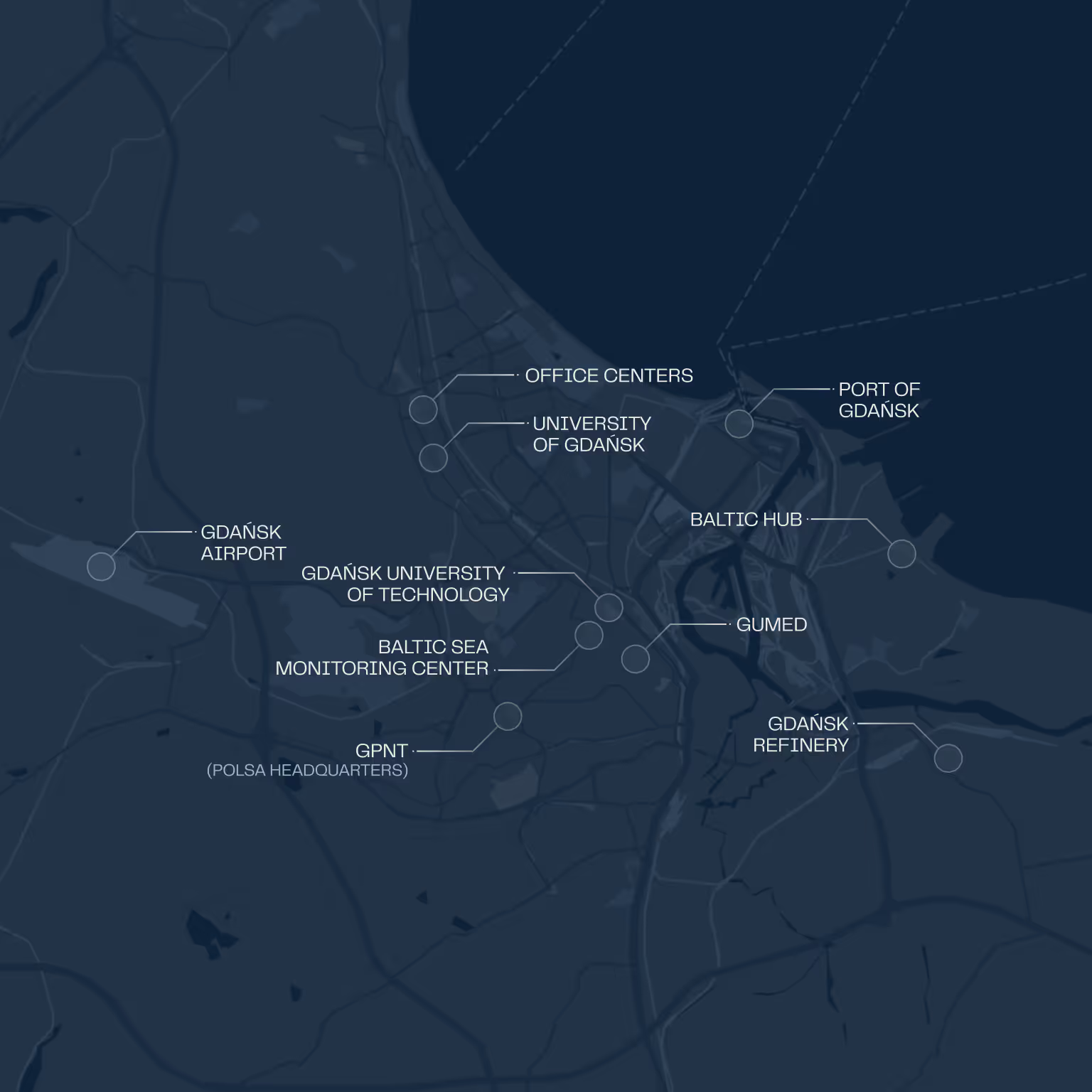
Over 1.09 million m² of modern office space and access to the “Kraken” supercomputer (13.6 petaflops).

Operational base
In close proximity to the Polish Space Agency (POLSA) and the Baltic Sea Monitoring Centre (OMMB).
90 000+ students
A talent pool of over 90,000 students each year and a strong BSS/BPO sector, providing managerial capacity for international institutions.

Poland
Gdańsk
Quality of life
Gdańsk combines a high quality of everyday life with dynamic economic growth. Strong GDP growth, strategic investments, and consistent infrastructure development make Gdańsk one of Europe’s most promising locations for business and talent.


An innovation ecosystem worth PLN 320bn
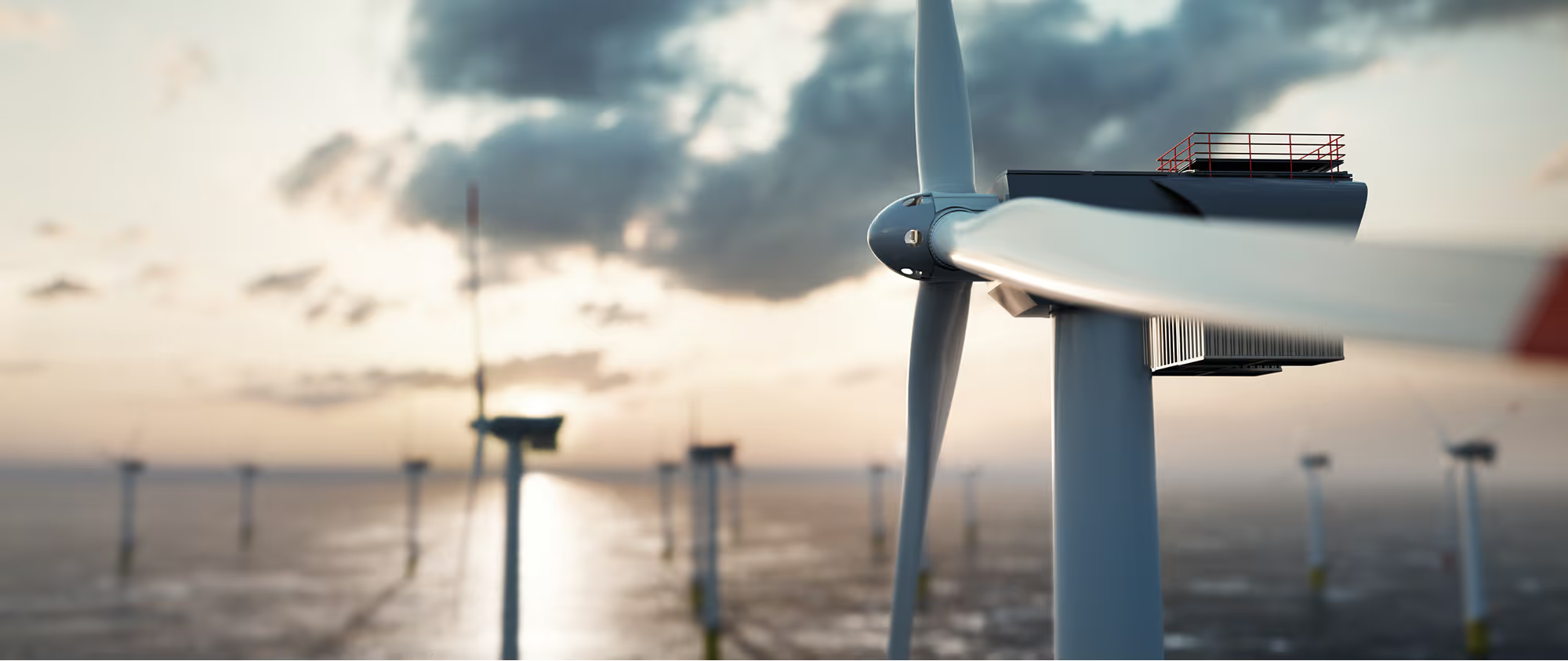
An ESA centre in Gdańsk is not only about science — it is critical support for Poland’s largest energy investments: a nuclear power plant (approx. PLN 192bn) and offshore wind farms (approx. PLN 130bn). It is a real technological shield, strengthening the country’s energy sovereignty and supporting the direct security and stable future of Pomerania’s residents.
The region’s space DNA: science, business, security

Space capabilities, real-world benefits
Locating the ESA Centre in Gdańsk is not only about high-level politics — it is a real change that you and your family will feel.
An ESA Centre would place the region at the heart of Europe’s defence ecosystem and projects funded by the European Defence Fund (EDF). While local initiatives (such as the Baltic Sea Monitoring Centre) look after our coast, the ESA Centre builds a strategic “umbrella” of resilience over the entire continent. For you, it means confidence that the infrastructure your daily life depends on — such as connectivity and energy — is protected to the highest global standards.
ESA’s presence is a magnet for global technology companies and an opportunity for local engineers and students to work on some of the world’s most advanced projects, without having to move abroad.
Investment in space technologies drives innovation that later reaches our smartphones, navigation systems, and smart city services — making Gdańsk a modern metropolis of the future.